
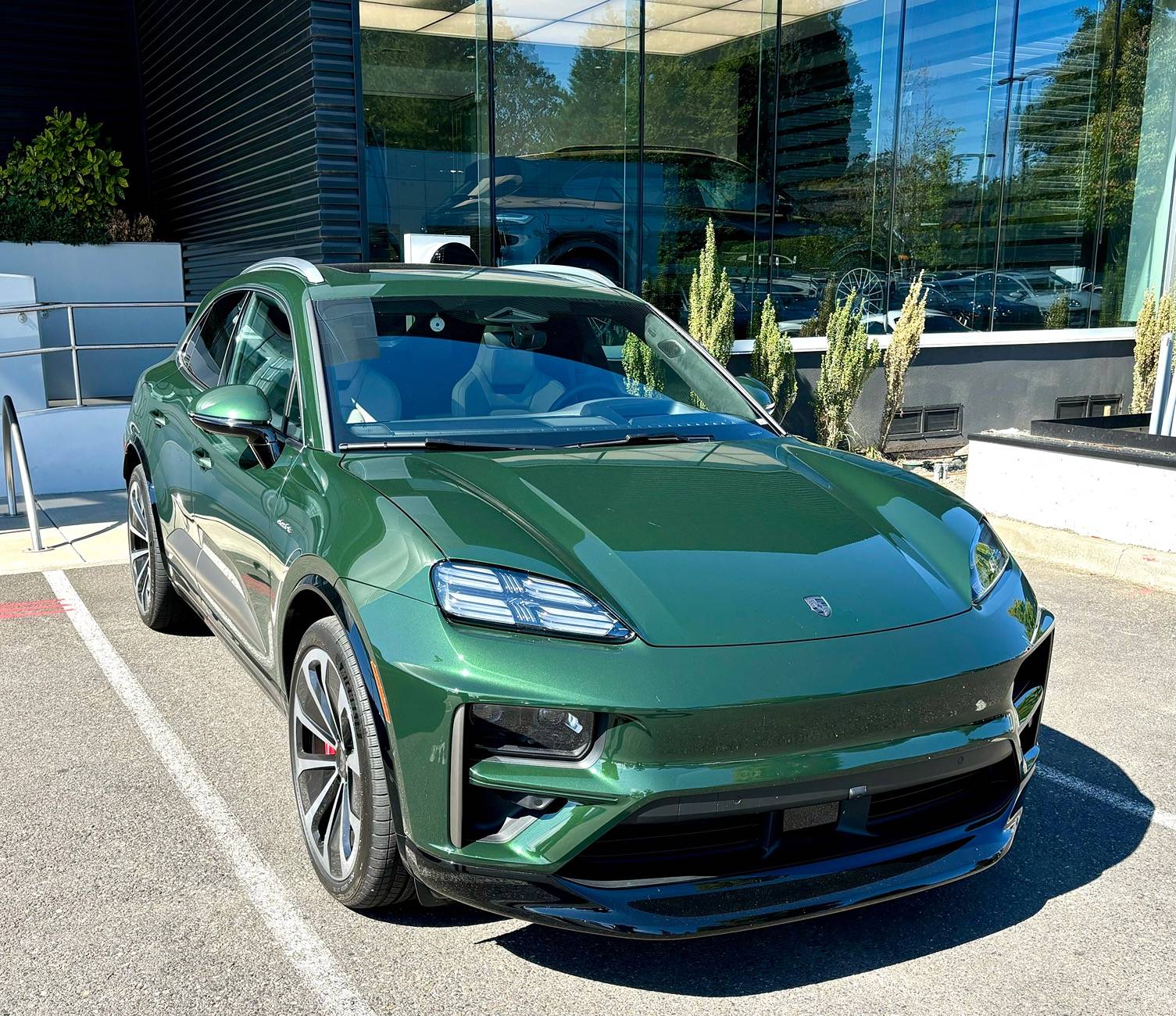
The Macan EV: A £45,000 Lesson
The electric Porsche Macan launched in 2024. New, with a reasonable options list, you were looking at around £110,000. That was the entry price for what Porsche positioned as its next-generation compact SUV — fully electric, tech-forward, the future of the brand.
Two years on, those same cars are trading for around £65,000.
That is a loss of £45,000 in 24 months. On a car that still has a full Porsche warranty. On a car that Porsche spent years developing and marketing as the future of motoring. A £45,000 swing is not a depreciation curve — it is a cliff edge.
The Taycan Is Worse
If the Macan's numbers seem bad, the Taycan has managed to make them look almost reasonable.
New Taycan buyers have seen values drop by over £50,000 in under twelve months in some cases. Not over a decade. Not over five years. Within the first year of ownership. These are not isolated incidents or unusual specifications — this is the market delivering a consistent verdict on what these cars are actually worth to buyers, once the initial hype has faded.
To put that in context: you could buy a good modern classic, watch it hold its value or appreciate over the same twelve months, and come out ahead by six figures compared to a Taycan buyer who went new.
Why Is This Happening?
A few things are working against electric Porsches at the moment.
The technology is moving quickly. An electric car that felt cutting-edge in 2024 can feel outdated by 2026, and buyers know it. There is a real concern — justified, in the numbers — that an EV bought today will face competition from significantly more capable, more efficient alternatives within a few years. That uncertainty crushes residuals.
The charging infrastructure anxiety has not gone away. Range, charge times, and network reliability are still live concerns for many buyers, particularly in Europe. That limits the pool of willing used buyers.
And Porsche made a lot of them. Volume and exclusivity do not go together. When supply is high and buyer enthusiasm cools, prices fall hard.
What This Means Practically
If you spent £110,000 on a Macan EV in 2024, your car is now worth around £65,000. That £45,000 is gone. You did not crash it. You did not abuse it. You simply owned it.
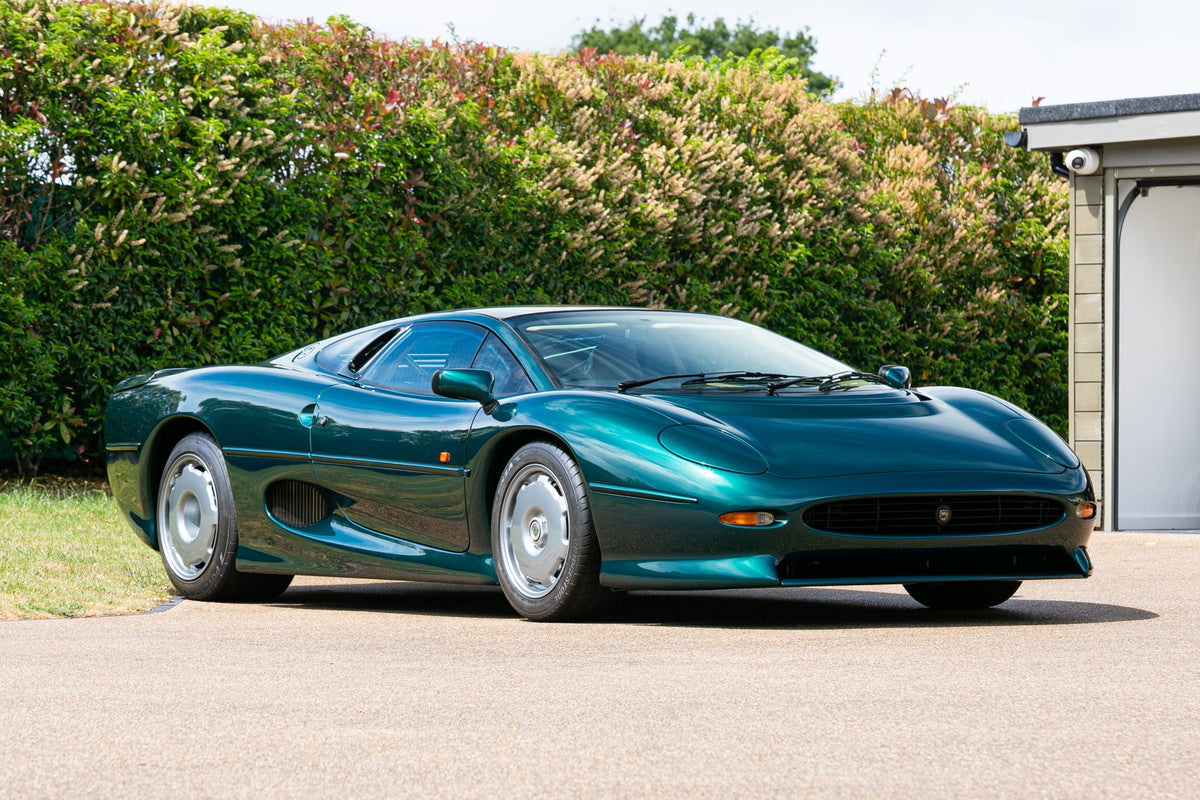
By comparison, the right petrol-powered car bought at the same time — the kind that sits in a market where buyers are growing, supply is limited, and the mechanical purity is something that money cannot simply replace with a software update — has done something very different with that same two-year window.
The Pattern Is Not New
Early adopters of rapid-depreciation technology tend to take the hit so the second buyer does not have to. This has happened with hybrid supercars, with early EVs, and with various other technology-forward vehicles that the market ultimately repriced downwards once reality caught up with ambition.
The difference here is scale. £45,000 and £50,000+ losses are not acceptable outcomes for cars in this price bracket. These are not entry-level vehicles where depreciation is baked into the proposition. These are premium Porsches.
Don't Buy The Wrong Cars
I have helped 5,000+ car guys go from buying bad cars that lose them money to owning good cars that do not depreciate. The decisions that hurt people are usually not obvious in advance — they require understanding where the market is heading, not just where it is today.
I have spent a significant amount of time putting together the Appreciating Automobiles 2026 report. It covers the cars that sit in the opposite end of the market to a new electric Porsche — under-appreciated, last of their kind, with a growing pool of buyers and a shrinking supply of good examples.



Share:
This Is David Beckham's Ferrari 550 Maranello. Here's What It's Worth Now.
The Lamborghini Gallardo: £70,000 for a V10 Supercar That's About to Be Worth a Lot More