
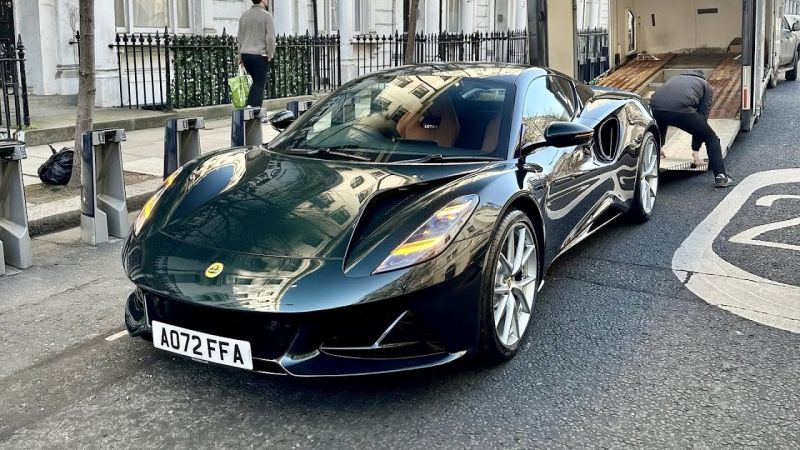
Why Do Lotus Cars Depreciate So Much?
Lotus makes some of the best-driving sports cars in the world.
So why do Lotus cars depreciate so much?
On paper, it doesn’t make sense. Lightweight engineering, motorsport heritage, and cars like the Elise and Exige that are already considered modern icons. Yet when it comes to residual values, Lotus consistently struggles.
The answer comes down to brand strength, buyer psychology, and competition.
The Core Problem: Lotus Has Weak Brand Equity
Brand equity matters more than performance.
When buyers are spending £80,000–£100,000 on a sports car, they aren’t just buying driving dynamics — they’re buying status, confidence, and resale security.
This is where Lotus falls short.
Brands like Porsche have decades of reinforced desirability, a deep collector base, and proven resale performance. Lotus, despite its racing pedigree, simply doesn’t carry the same weight in the wider market.
The Lotus Emira: A Perfect Case Study in Depreciation
The Lotus Emira highlights the issue perfectly.
-
Price new in 2022: £85,000
-
Value today: ~£55,000
-
Loss: £30,000 in just 3 years
That’s painful depreciation for a modern sports car.
The problem isn’t the Emira itself — it’s an excellent car. The issue is that at the same price point, buyers can choose a Porsche 911, a car with a proven track record of holding value.
For most buyers, that decision is easy.
Why Buyers Choose Porsche Over Lotus
When faced with two similarly priced sports cars, most buyers ask:
-
Which brand feels safer?
-
Which has a stronger resale history?
-
Which will be easier to sell in five years?
Porsche answers all three questions confidently. Lotus does not.
As a result, demand for used Lotus models is thinner, which accelerates depreciation — regardless of how good the car is to drive.
A Shame, Given Lotus’ Motorsport Pedigree
This is what makes Lotus depreciation particularly frustrating.
The brand has:
-
A legendary Formula 1 history
-
Iconic lightweight cars like the Elise and Exige
-
A philosophy purists love
But emotional appreciation doesn’t always translate into financial appreciation.
Great cars don’t automatically make great investments.
The Lesson: Don’t Buy Cars With Weak Buyer Demand
Depreciation isn’t about how good a car is.
It’s about:
-
Brand strength
-
Depth of the buyer market
-
Long-term desirability
Ignoring these factors is how car guys lose tens of thousands of pounds without realising it.
Don’t Let This Happen to You
I’ve spent a silly amount of time building a non-generic list of the 100 best investment cars to buy in 2026 — cars that are:
-
Underappreciated
-
Last of their kind
-
Where the market of buyers is growing
👉 Click here to access 100 cars that won’t depreciate

Share:
First Investment Car: What to Buy (and Avoid) to Not Lose Money
Why New Ferrari Models Are Depreciating So Fast