
Buying a car that doesn’t lose money sounds simple — yet most enthusiasts get it wrong.
The reason isn’t lack of information.
It’s human nature.
At our core, we’re all car guys. When a car pulls on our heartstrings, logic disappears. We convince ourselves it’s “different this time,” even when we know it will depreciate.
Understanding this psychology is the first step to avoiding bad car purchases. The second step is knowing what actually works.
The Real Reason Car Guys Lose Money
Car buyers don’t make rational decisions.
We buy:
-
With emotion, not timing
-
Based on desire, not demand
-
For the present moment, not future value
That’s why so many great cars still lose money.
But there are patterns that consistently produce cars that don’t depreciate — if you know where to look.
Here are three proven strategies.
1. Older M Cars With “End-of-Era” Engines
One of the safest places enthusiasts keep finding value is older BMW M cars, particularly those with engines that will never be repeated.
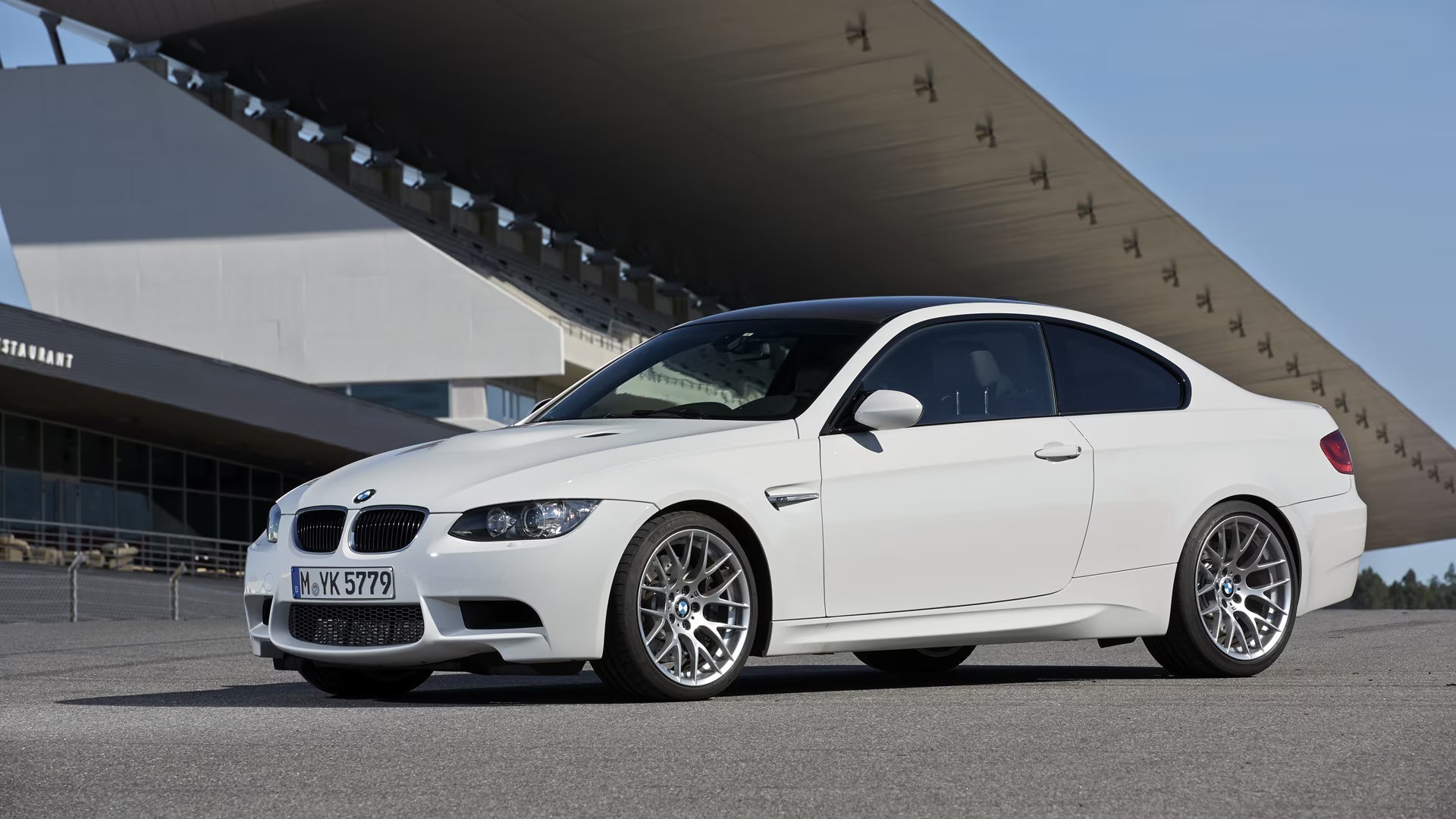
A perfect example is the BMW E92 M3.
It was:
-
The first — and last — M3 powered by a naturally aspirated V8
-
Built before modern emissions and electrification
-
Loved for sound, balance, and driver engagement
As a result, good examples are now rising in value, not falling.
Cars tied to a mechanical “last time” almost always perform well long term.
2. Older GT Porsches
Few categories outperform GT-badged Porsches.
In 2013, you could buy a Porsche 996 GT2 for around $75,000.
Today, those same cars are worth $225,000+.
That’s a 3× increase, driven by:
-
Low production numbers
-
Raw, analogue driving experience
-
Motorsport DNA
-
Global collector demand
GT cars don’t follow normal depreciation curves.
3. Cars With a Growing Buyer Demographic
This is one of the most overlooked factors in car investing.
As enthusiasts age, their disposable income increases — and they buy the cars they couldn’t afford when they were younger.
That’s why cars like the Porsche 993 Turbo continue to rise.
For car guys who grew up in the 1990s:
-
The 993 Turbo was the poster car
-
Ownership was impossible at the time
-
Demand increases as wealth increases
When the buyer pool grows faster than supply, prices go up.
The Common Thread
Cars that don’t depreciate usually share three traits:
-
End-of-era engineering
-
Emotional connection for a growing buyer group
-
Limited supply relative to demand
If you align those factors, emotion works for you — not against you.
Want to Buy Cars That Don’t Depreciate?
I’ve helped 5,000+ car enthusiasts stop buying cars that lose them money and start owning good cars that don’t depreciate.
I’ve spent a ridiculous amount of time putting together a non-generic list of the 100 best investment cars to buy in 2026, focused on:
-
Under-appreciated models
-
Last-of-their-kind drivetrains
-
Where buyer demand is growing
-
Cars still early in their value cycle
👉 Click here to access the list

Buying the right car isn’t about luck.
It’s about understanding the pattern.
Share:
9 Lessons Car Guys Learn Too Late (Avoid Costly Mistakes)
Don’t Buy a Classic Car: The 3 Levels of Car Buyers Explained