
The classic car market has long been known for its exclusivity, inaccessibility, and reliance on traditional trading methods such as private sales, dealerships, and high-profile auctions. However, in recent years, technological advancements have begun reshaping the way people invest in cars, making the market more accessible, transparent, and efficient for a broader range of investors. Digital auctions and fractional ownership are two major developments that are transforming the collectible car investment landscape, and understanding how to navigate new segments of the market is becoming increasingly important for collectors and investors.
Digital Auctions: The New Marketplace
In the past, collectors had to rely on attending physical auctions or trusting dealers for car purchases. Now, digital auction platforms such as Bring a Trailer, Carhuna, and The Market by Bonhams have revolutionised the buying and selling process. These platforms provide collectors with the ability to bid on cars from anywhere in the world, dramatically increasing the liquidity and accessibility of investment-grade vehicles.
The key benefit of digital auctions is the greater transparency they offer. Buyers can see detailed descriptions, high-quality photos, and even videos of cars, as well as comments from other collectors and potential bidders, providing much more insight into a vehicle’s condition and history than was previously available. Additionally, the lower transaction fees compared to traditional auction houses can increase net returns on investment. However, while these platforms help democratise access to collectible cars, they also raise challenges. Sometimes you may not have the ability to inspect a car in person, so buyers need to exercise extra caution in conducting due diligence. At Autofolio, we stress the importance of using trusted specialists to verify vehicle conditions before placing any bids.
Fractional Ownership: Making Car Investments More Accessible
Another major technological innovation shaking up the car investment world is fractional ownership. Traditionally, investing in collectible cars has been the domain of high-net-worth individuals due to the significant capital outlay required to acquire high-value vehicles. Fractional ownership platforms, such as Konvi, now allow investors to buy a “share” of a car, similar to purchasing a stock. This enables individuals to participate in the collectible car market without owning an entire car or worrying about the associated maintenance and storage.
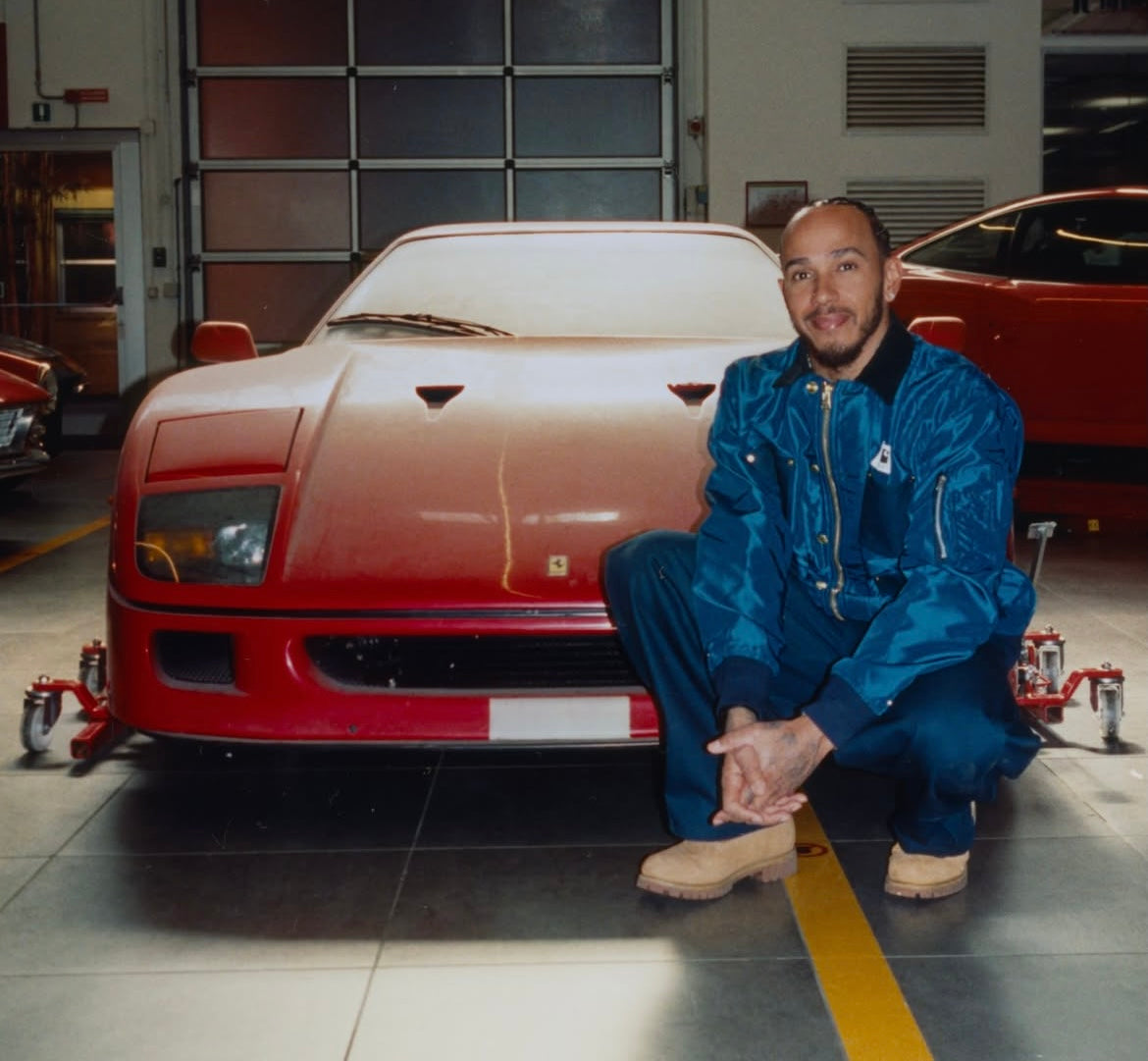
Fractional ownership lowers the barrier to entry, allowing a broader range of investors to diversify their portfolios with collectible cars, even if they do not have the funds to purchase a whole vehicle. For example, instead of needing £2,000,000 to buy a Ferrari F40 outright, an investor can own a small percentage of such a vehicle for a few thousand dollars. In addition to the potential financial upside, fractional ownership also provides liquidity often lacking in traditional car investments, as shares in cars can be bought and sold more easily on these platforms than an entire vehicle.
However, fractional ownership does come with limitations. Investors do not have physical access to the cars they own shares in, nor do they have any control over the decision-making process, such as when to sell or where the vehicle should be stored. Furthermore, the model is still relatively new, meaning regulatory frameworks are still evolving, and investors need to be aware of the potential risks involved in investing through these platforms.
Technology’s Role in the Future of Car Investments
The rise of digital auctions and fractional ownership is just the beginning of how technology is changing the collectible car investment market. Blockchain technology, for example, could further enhance transparency by providing a proven record of a car’s history and ownership, which would increase buyer confidence. Similarly, the use of artificial intelligence to predict future car values based on market trends, mileage, and other factors could help investors make more informed decisions.
While these advancements are exciting and open new doors for investors, they also highlight the need for active management and informed decision-making in car investments. Whether you’re purchasing a vehicle outright or buying shares through a fractional ownership platform, the fundamentals of the market remain the same: it is essential to understand the cars you are investing in and the market dynamics that will drive their future value. At Autofolio, we are always closely monitoring how new technologies are influencing the market and advising our clients on the best ways to take advantage of these innovations while managing the risks that come with them.
As the investment car market continues to evolve, technology will undoubtedly play an even greater role in shaping the future of car investments. From making the market more accessible to increasing liquidity, these innovations are already changing how investors can approach building their car portfolios.
Interested to find out more about investment cars and Autofolio?
Investment Cars 2025 click here
2025 Appreciating Automobiles report (Free) click here
Buy an Investment Car click here
Sell Your Investment Car click here


Share:
Is your car investment grade?
Investments cars are not what you think they are