
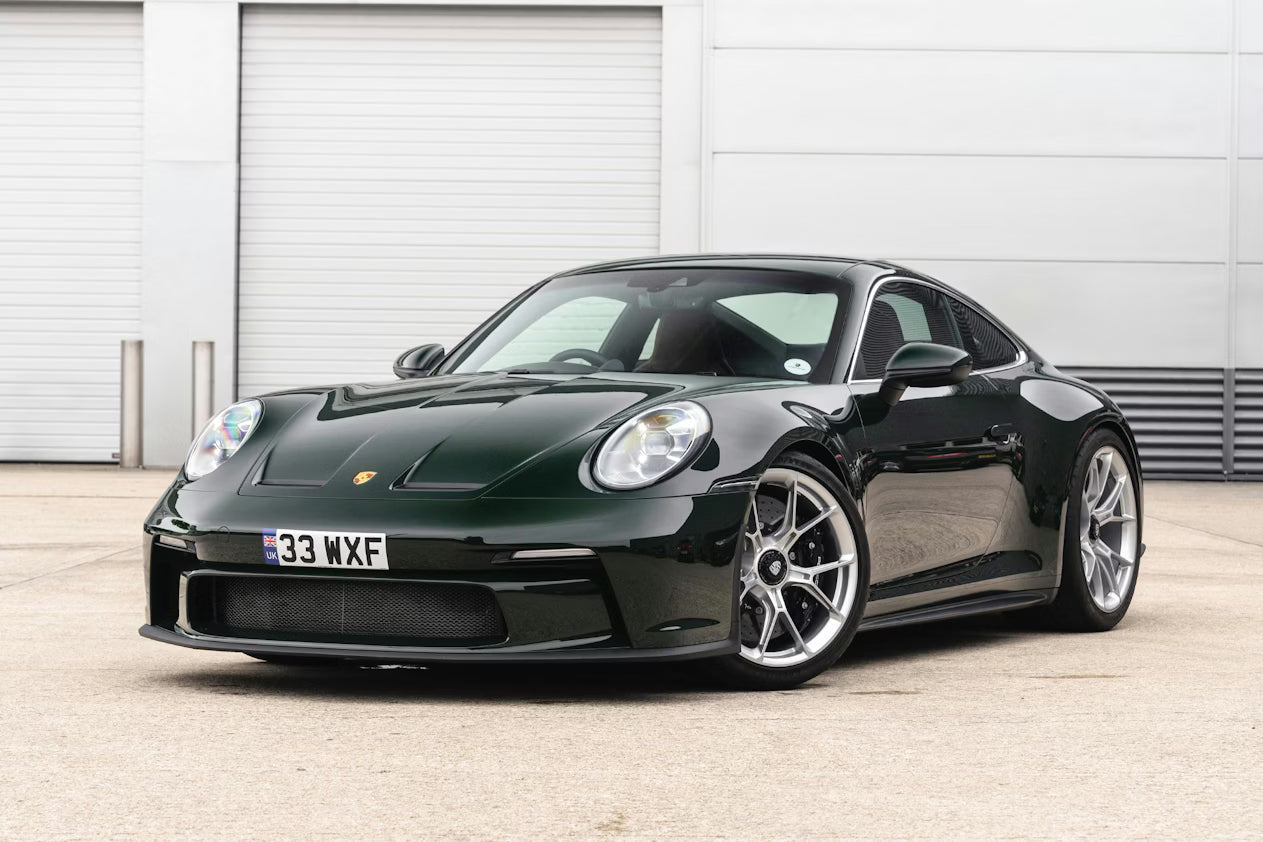
The Porsche 911 GT3 Touring has a reputation. Ask almost any car enthusiast whether it is a good investment and you will get the same answer: of course it is, it is a GT3.
That answer is wrong — and it is costing people serious money.
If you bought a Porsche 911 (992.1) GT3 Touring in 2023, you would have paid in the region of £185,000. Today, that same car is worth approximately £160,000. That is a loss of £25,000 in just three years — and that figure only gets worse when you factor in trade value, which could push the real-world loss considerably higher.
The Porsche badge did not protect you. The GT3 nameplate did not protect you. The Touring specification did not protect you. The name alone is not an investment thesis.
£185,000 — Purchase price, 2023
£160,000 — Market value today
-£25,000 — Loss in 3 years (retail to retail)
⚠ Real-World Warning: The £25,000 loss above reflects retail-to-retail. On a trade value — what a dealer will actually pay you — the real loss is likely to be significantly higher.
Why Does Everyone Think GT3s Always Go Up?
The myth of the GT3 as an infallible investment is not without historical basis. Older generations — the 997, the 996 — have demonstrated genuine appreciation over time, and those track records are legitimate. The 997 GT3 in particular has seen substantial price increases, with the 997.1 recording double-digit annual gains.
But older generations appreciating does not mean the newest generation will follow immediately. The 992.1 GT3 Touring is not a vintage classic. It is a three-year-old modern sports car — and modern sports cars depreciate, even the great ones, in the years immediately following their production.
The Myth: "It's a GT3. GT3s always hold their value. You can't go wrong buying one."
The Reality: Older GT3 generations have appreciated. The 992.1 GT3 Touring is currently losing value — shedding £25,000 in three years for UK buyers.
In 2024 alone, prices for 992 GT3 Touring variants dropped by an average of 3.9%. The broader 992 GT3 market saw depreciation accelerate from 2–3% annually to around 5%. This is real, measurable depreciation on an asset that many buyers were told would hold or grow in value.
The Porsche badge is not an investment strategy. Knowing which car to buy, and when, is the only thing that protects your money.
The 992.1 vs The Generations That Actually Appreciated
The 997 and 991 GT3s appreciated because they had time — years of distance from production — to transition from used sports cars into recognised modern classics. The 992.1 has not had that time. It is still in active production evolution, with the 992.2 now on sale and creating direct downward pressure on 992.1 values.
996 GT3 Stabilising / modest gains Appreciation confirmed
997 GT3 Strong appreciation +5% to +11% per year
991 GT3 Low, stable depreciation Near flat — approaching classic status
992.1 GT3 Touring Active depreciation -£25,000 in UK over 3 years
The pattern is clear. The GT3 does become a strong investment — eventually. But the window between purchasing a new generation and the point at which it begins to appreciate is a period of real financial loss.
What the Broader Market Is Telling You
Several factors are compressing 992.1 values right now. The arrival of the 992.2 GT3 — with a substantially higher list price — has flooded the market with 992.1 supply as owners upgrade. Inventory levels are near peak, and sellers who paid £185,000 in 2023 are now competing against each other to find buyers at £160,000 — or less.
This is how depreciation works on modern sports cars, even celebrated ones. It is not dramatic. It is quiet, steady, and relentless — until the market cycle turns.
“A £25,000 loss does not announce itself. It accumulates quietly — until the day you need to sell.”
The Cars That Are Going Up While the GT3 Goes Down
While the 992.1 GT3 Touring has been losing £25,000 in the UK market, other cars in a similar price bracket have been moving emphatically in the other direction.
The Ferrari 458 Speciale Aperta returned over 150% on an inflation-adjusted basis in five years. The Porsche 997 GT3 RS, the Honda NSX NA1, naturally aspirated manual Ferraris of the right specification — these reward their owners financially, not just emotionally.
The difference is not prestige, price point, or brand. It is the investment framework applied at the point of purchase. The right car, bought with the right knowledge at the right moment, performs as a genuine asset.
How to Avoid Making This Mistake
The buyers who lost £25,000 on the 992.1 GT3 Touring were not naive. They trusted a narrative — the GT3 always goes up — without interrogating the specific vehicle, generation, or market cycle. Avoiding that mistake requires asking harder questions:
-
Generational cycle: A car near the end of production, with a successor already announced, is in a different position to one with years of scarcity ahead.
-
Supply picture: A car produced in sufficient numbers to satisfy demand will not appreciate on scarcity alone.
-
Historical significance: The 997 GT3 appreciates because it represents something irreplaceable. Is the 992.1 GT3 Touring historically irreplaceable in the same way?
-
Trade value: Retail prices tell one story. Trade values tell the truth. A £25,000 retail loss may be £35,000+ on a trade.
-
Market timing: The 992.1 GT3 Touring will likely appreciate eventually. But was 2023 the right time to buy it at £185,000?
Don't Let This Happen to You.
You can access a 24-page guide of the 100 best investment cars to buy in 2026. Selected in line with Autofolio's bespoke automotive investment process — 100 opportunities to profit from your passion. 100 cars that won't depreciate.
👉 Access the 100 Best Investment Cars for 2026

Share:
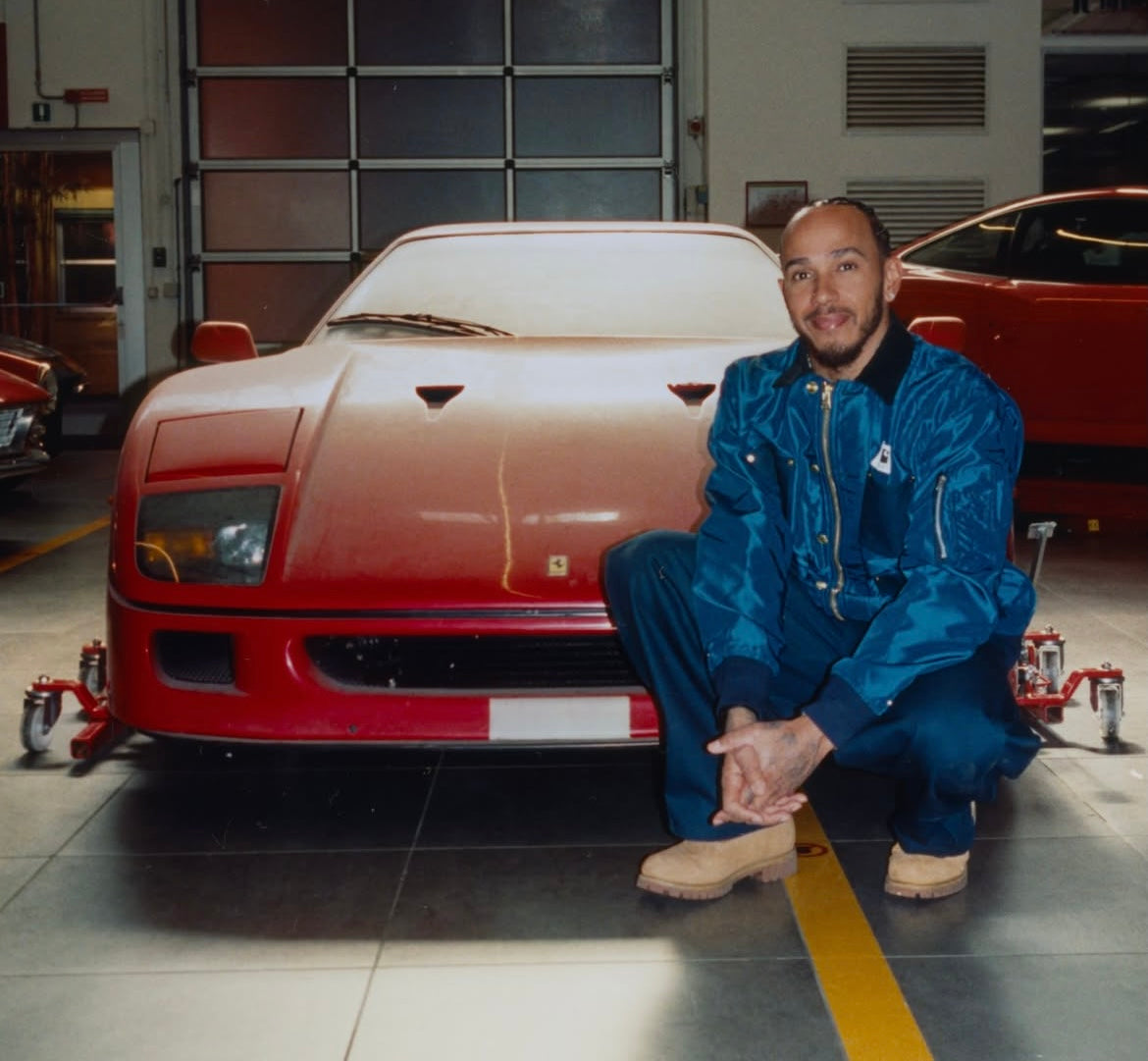
This Ferrari Made $1.5M in 5 Years. Only 499 Exist.
9 Lessons Car Guys Learn Too Late in Life