
Don't Spend £160,000 on a New 992.2 GTS That Will Lose You Money. Buy This Old Porsche Instead — For Less.

The 2026 Porsche 911 992.2 GTS starts at approximately £160,000. It is a brilliant car — 532 horsepower from Porsche's new hybrid T-hybrid powertrain, beautifully engineered, comfortable enough for daily use, capable enough for track days. It is everything a modern sports car buyer could reasonably want.
It will also lose you money. The 992.2 GTS is a volume production car — built in thousands annually for Porsche's global customer base, available to anyone willing to write a large enough cheque, and subject to the same depreciation curve that afflicts all new modern 911s. The 992.1 generation confirmed the pattern.
The car you should be looking at instead costs less than that. Significantly less. And it is not going to depreciate.
The 996 GT2: £90,000–£120,000 Today.

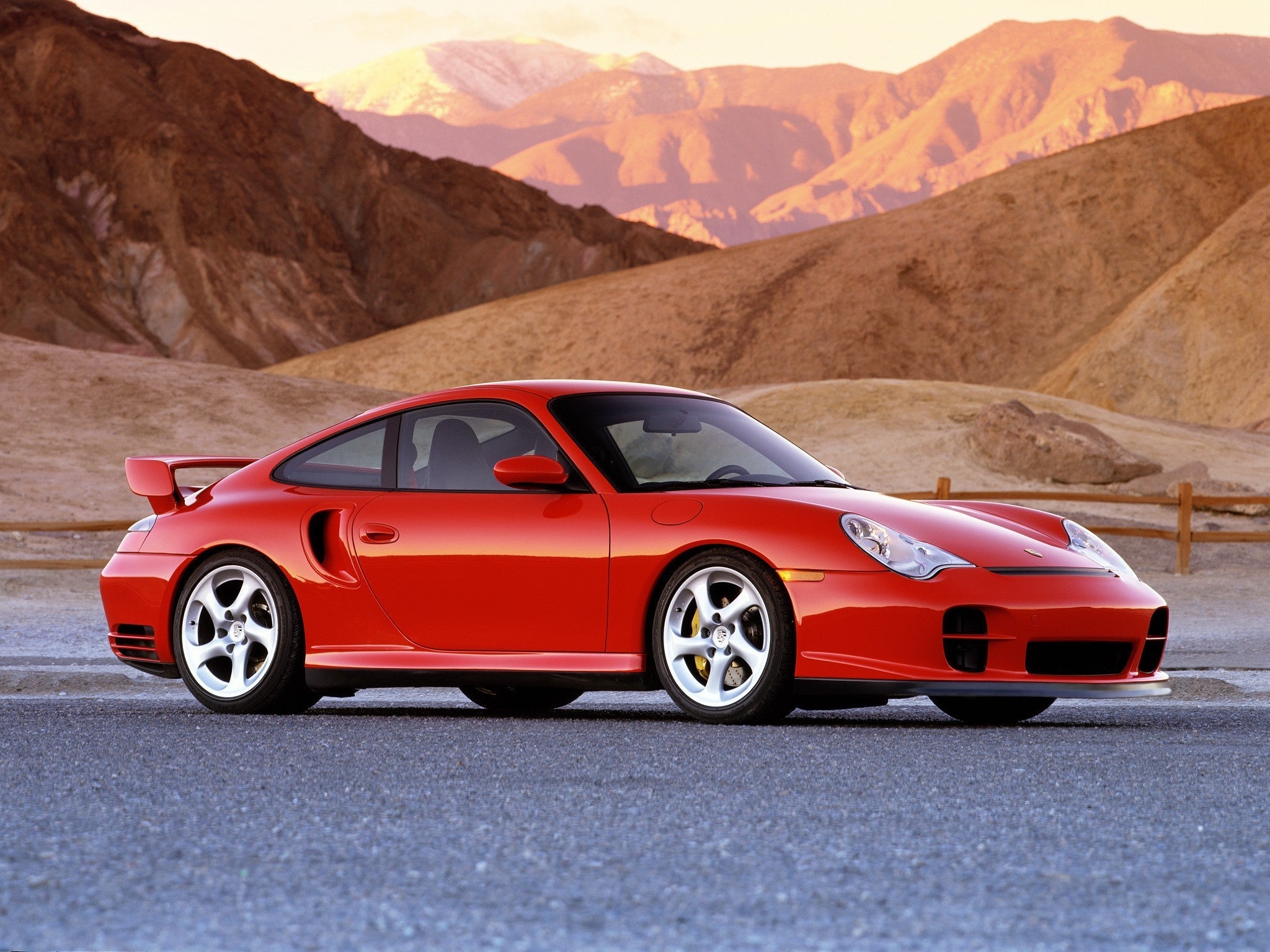
This is the Porsche 911 996 GT2. Built between 2001 and 2004. Approximately 1,287 were ever made. It cost £114,900 new — adjusted for inflation, that is equivalent to roughly £210,000 today. And yet clean, well-maintained examples with full Porsche service history and fewer than 30,000 miles on the clock can still be found for less than £100,000.
That gap between what the car should cost and what the market currently charges for it is the entire investment thesis.
What you get for the money:
462 horsepower from the Mezger twin-turbocharged 3.6-litre flat-six, through a six-speed manual gearbox, to the rear wheels only. No all-wheel drive. No PDK. No stability management system. No traction control. Just a clutch pedal, a gear lever, and 462 horsepower aimed at two tyres. The press nicknamed it the Widowmaker for good reason. This is a car that asks something of the driver — and gives back everything in return.
The 996 GT2 was also deliberately supplied without Porsche Stability Management. Porsche wanted a raw driving experience, and they removed the safety net entirely. Every GT2 since has had electronics. The 996 GT2 remains the last GT2 completely devoid of electronic intervention. That combination — maximum power, rear drive, manual only, no aids — is a configuration Porsche will never build again under any regulatory environment.
The 25-Year Rule: The Arbitrage Opening Right Now
The most time-sensitive element of the 996 GT2 investment case is not the car's mechanical significance alone. It is a regulatory arbitrage that is opening in 2026 and 2027 and will directly re-price European examples.
The United States operates a 25-year import rule. Vehicles manufactured more than 25 years ago are exempt from EPA and DOT compliance requirements that make importing newer cars expensive or impossible. When a car crosses that threshold, it becomes freely importable by any US buyer — triggering demand from the world's largest collector car market that was previously locked out.
The 996 GT2 was produced from 2001 to 2004. The earliest examples crossed the 25-year threshold in 2026. They are becoming freely importable right now.
The pattern is well-documented. When desirable European performance cars approach 25-year eligibility, US collectors begin positioning 6 to 12 months before the eligibility date.
UK and European examples currently priced at £90,000 to £120,000 represent a meaningful discount relative to where demand from the US collector market will push prices as awareness grows. The US market currently shows appetite for Mezger GT2s at $200,000 to $300,000. The arbitrage between current UK asking prices and eventual US-influenced demand is real, open, and closing.
Why the 992.2 GTS Is the Wrong Car at This Price Point
The 992.2 GTS is genuinely excellent. The new T-hybrid powertrain produces 532 horsepower. The updated chassis is sharper than the 992.1. On any objective measure of capability, it is the better car.
But capability is not what determines investment value — and the 992.2 GTS fails on every structural criterion that matters.
It is a volume production car. Porsche builds thousands of GTS models annually. There is no scarcity. No fixed production ceiling. The hybrid T-powertrain adds complexity and potential for technological obsolescence. One Porsche forum noted a 991 GTS trading at near-identical prices to a 992 S despite three years and a full model generation between them. This is what £160,000 and normal depreciation looks like in practice.
The 992.2 GTS opens yet another chapter for the 911. The 996 GT2 closed an irreplaceable one: the last GT2 without stability management, without PDK, and without any electronic compromise. That era is permanently over. The market is beginning to price it accordingly.
What to Look for When Buying a 996 GT2
Clubsport specification is the one to find. Only 70 were built in Clubsport spec, of which 17 were UK right-hand drive. Clubsport cars carry a significant premium over standard examples.
Full Porsche service history is essential. The gap between a properly documented example and an unknown-history car is enormous in investment terms.
Sub-30,000-mile examples are the investment-grade tier. These sit at the upper end of the £90,000–£120,000 range today and will lead the market's appreciation.
Colour matters. Guards Red and Speed Yellow command premiums. Classic colours maximise the future pool of buyers.
Don't buy the wrong cars.
I've spent a significant amount of time putting together a non-generic list of the 100 best investment cars to buy in 2026 — under-appreciated, last of their kind, and where the market of buyers is growing. 100 cars that won't depreciate.

Share:
Rod Stewart's Ferrari F50.£400,000 in 2011.Over £9,000,000 Today.
Don't Buy This £80,000 Modern Classic Ferrari. Buy the 599 GTB Instead.