

At Autofolio, we have helped over 5,000 car buyers across 55 countries make smarter automotive decisions. The question we are asked more than any other is simple: which cars will not lose me money?
It sounds straightforward. It is not. The automotive market is littered with extraordinary-looking machines that shed value at a frightening rate — and a much smaller number of vehicles that quietly appreciate while their owners simply enjoy driving them. The difference between the two is not always obvious. This guide is designed to make it so.
Why Most Cars Fail as Investments
The uncomfortable truth about the car market is that the majority of vehicles — including many that carry six-figure price tags — are financial liabilities the moment they leave the showroom. Depreciation is not a minor inconvenience; for the wrong car, it can be catastrophic.
Consider this: a Rolls-Royce Spectre purchased in 2024 for $500,000 was worth approximately $300,000 just 2 years months later. That is a $200,000 loss on a vehicle that many would consider a symbol of success. The brand name alone offers no protection. Neither does the price tag.
The cars that depreciate most aggressively tend to share common characteristics: they are produced in high volumes, they rely on cutting-edge technology that quickly becomes obsolete, they lack the cultural or mechanical significance that drives long-term collector demand, and they carry a premium that the broader market simply will not sustain once the novelty fades.
What Makes a Car a Genuine Investment?
The cars that hold or grow in value share a different set of traits. Understanding these characteristics is the first step to making a sound automotive investment in 2026.
-
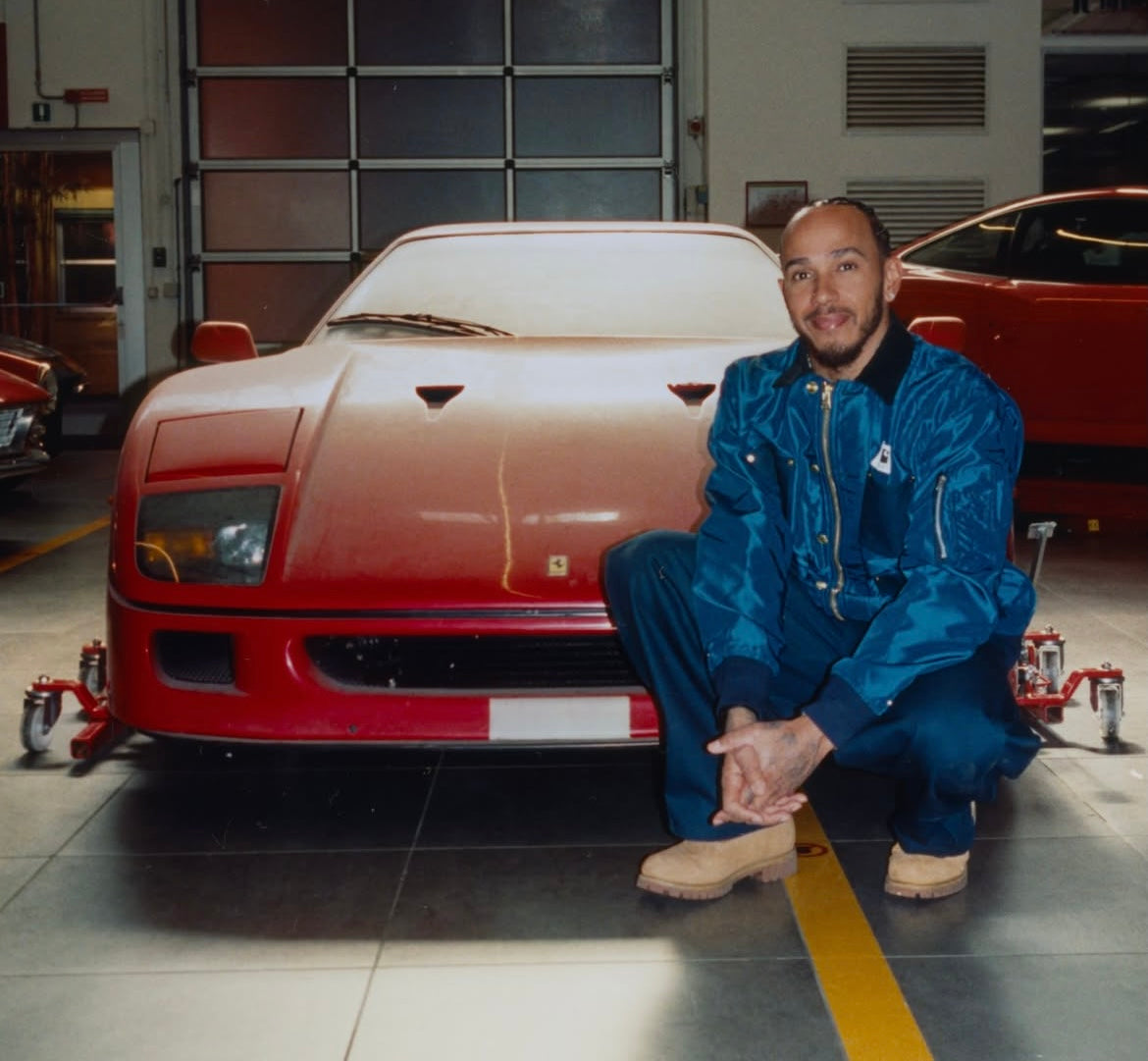
Scarcity and limited production numbers — when supply is genuinely constrained and cannot be replicated, demand from collectors concentrates on the remaining pool.
-
Cultural or motorsport significance — cars that represent a landmark moment in automotive history attract both enthusiasts and serious collectors.
-
End-of-era mechanical character — naturally aspirated engines, manual gearboxes, and analogue driving experiences are increasingly irreplaceable and therefore increasingly valuable.
-
Condition, provenance, and originality — unmolested, low-mileage examples with documented history consistently command substantial premiums.
-
Cross-generational appeal — the strongest investments attract buyers from multiple demographics, ensuring sustained demand as ownership passes between generations.
-
Market timing — the ideal investment car is one the broader market has not yet priced correctly. Identifying undervalued models before they are widely recognised is where the most compelling returns are found.
Red Flags: Cars to Approach With Caution in 2026
Knowing what to buy is only half the discipline. In 2026, we advise particular caution around the following categories:
-
New ultra-luxury SUVs and saloons from prestige marques — produced in high volumes, significant initial premiums that the secondary market rarely sustains.
-
High-production modern supercars without genuine scarcity — a supercar produced in thousands of units lacks the scarcity premium that drives appreciation.
-
Heavily modified examples of otherwise strong models — provenance and originality are everything in the collector market.
-
Electric vehicles in their first generation — the technology is evolving too rapidly for first-generation EVs to hold their value with any consistency.
How to Buy an Investment Car: A Framework
1. Define your investment horizon
The collector car market rewards patience. Short-term speculation carries significantly more risk than a five-to-ten-year holding strategy. Define your horizon before you define your budget.
2. Research the specific model, not the marque
Brand reputation is not a reliable guide to investment performance at the model level. The specific engine configuration, transmission type, production year, and specification all materially affect the investment case.
3. Prioritise condition and provenance above all else
The premium for an original, well-documented, low-mileage example over a high-mileage or modified equivalent is substantial — and widens over time as the best examples become increasingly scarce.
4. Understand storage and running costs
Investment-grade cars require appropriate storage, insurance, and maintenance. These costs must be factored into the total return calculation.
5. Seek expert guidance
The investment car market is specialised, opaque, and increasingly competitive. At Autofolio, we offer personal investment consultations for buyers at every level of the market. Visit autofolio.info/products/investment-consultation-for-your-car-or-collection
The Autofolio Standard
Since founding Autofolio, we have developed a proprietary investment process that applies rigorous market analysis, provenance research, and timing intelligence to the collector car market. Our 2026 Investment Cars Guide represents 100 cars, ranked and assessed, identified as the strongest appreciating opportunities available in the current market.
If you would prefer to discuss your specific situation, our personal consultation service is available globally. We work with buyers across every budget level, from attainable classics to seven-figure hypercar acquisitions.
→ Get the Investment Cars 2026 Guide: autofolio.info/products/investment-cars-2026
 → Book a Personal Consultation: autofolio.info/products/investment-consultation-for-your-car-or-collection
 → Sign Up to the Free Newsletter: autofolio.info/pages/newsletter



Share:
Why Some Cars Lose You £40,000 — While Others Make You £20,000
This Ferrari Made $1.5M in 5 Years. Only 499 Exist.